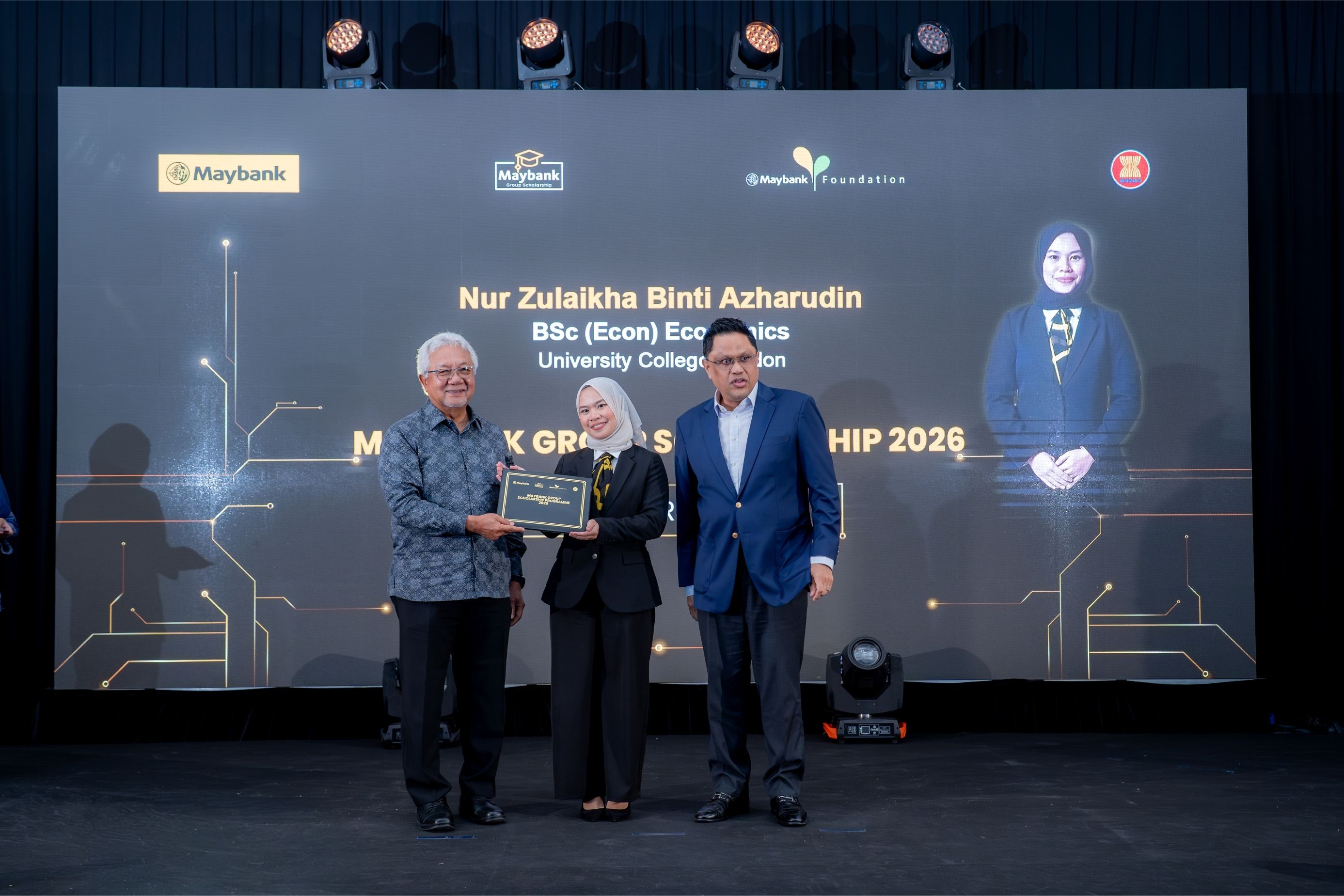


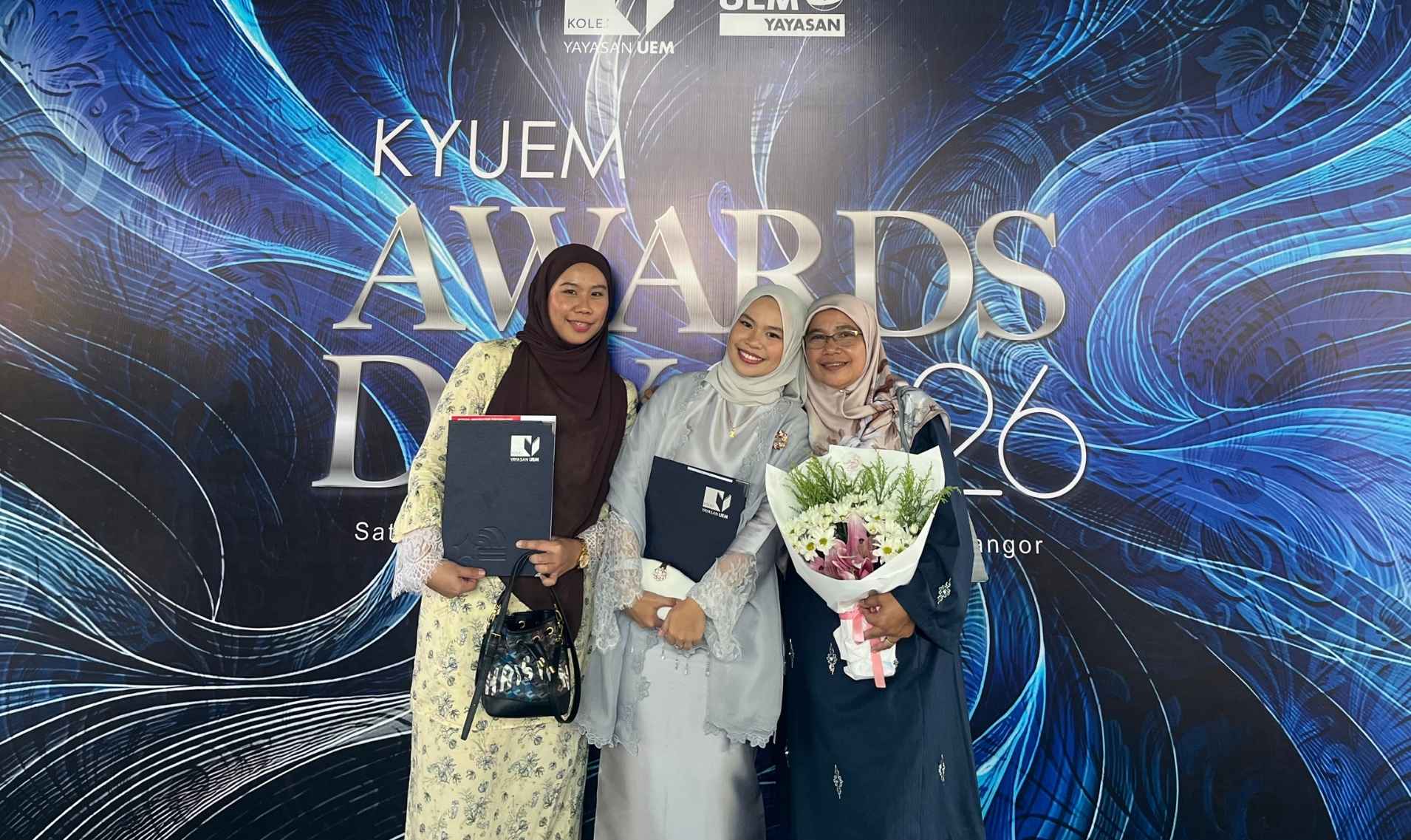

Eleven scholarship applications. Six interview callbacks. Four offers.
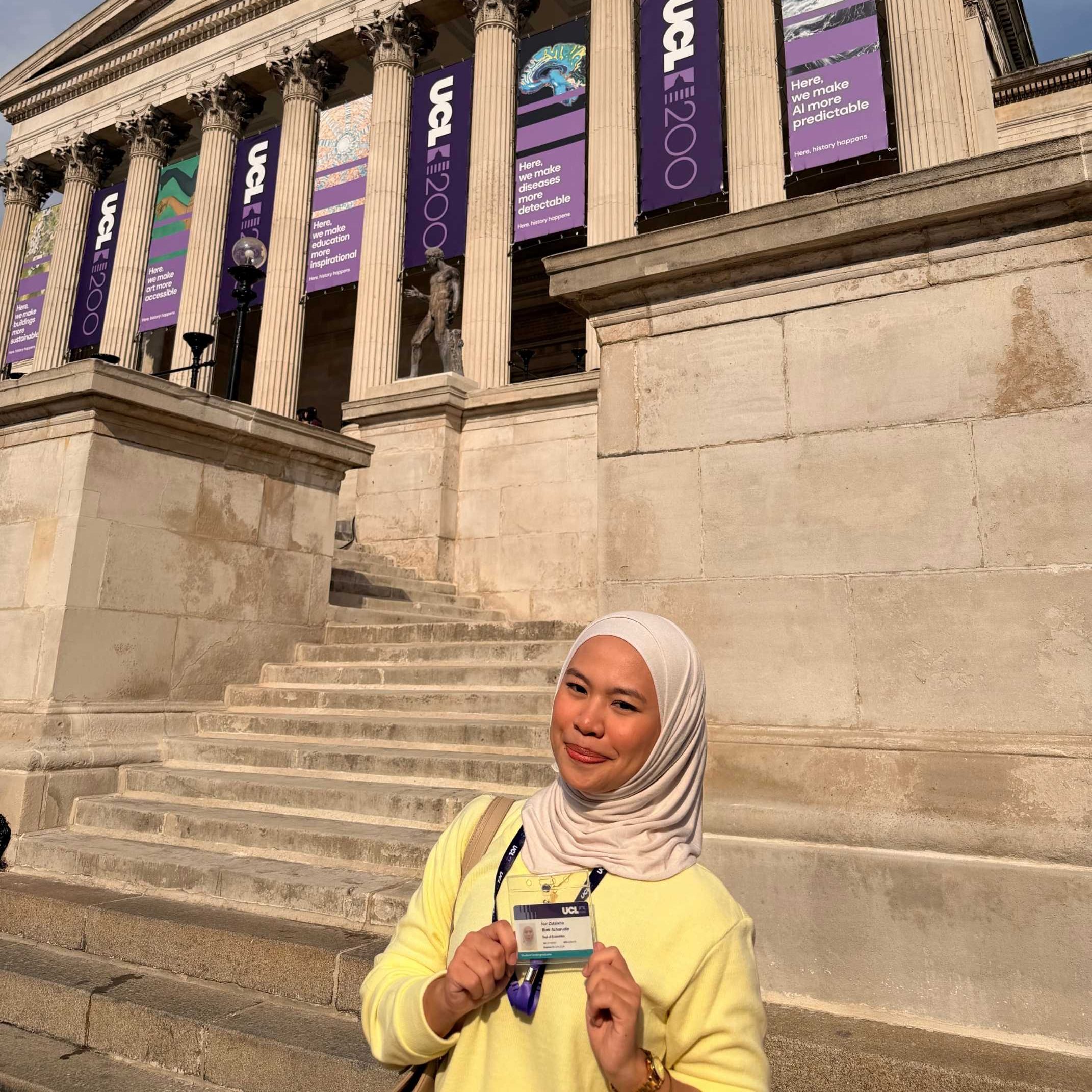
That was Zulaikha’s journey this year as she pursued a place overseas. Today she reads BSc Economics at University College London (UCL) as a Maybank scholar. Her route took her through A-Levels at KYUEM and a long run of interviews in which she often felt like the smallest person in the room.
Be active, not passive
At KYUEM, Zulaikha made a deliberate choice to be active rather than passive. She knew scholarship panels value real involvement, so she resisted the urge to spread herself thin. Instead, she committed fully to one major undertaking each year.
In her first year, she joined KYUEM Summit’s content creation team, which produced the booklets, shaped the itinerary and set the agenda for the forums and panels. She was given charge of the economics panel. In her second year, she served on the Student Council’s Welfare team. Alongside these roles, she led the editorial team of KYUEM’s economics magazine as Head of Editors and competed in subject competitions.
Council work was her first experience of serving such a diverse community. Its most lasting lesson was that communication is how you come to understand people, even across considerable differences. What sustained the team was a shared willingness to listen and compromise, a skill she worked to develop in herself. Looking back, she believes the council did “quite a good job” during its tenure.
Finding her people at KYUEM
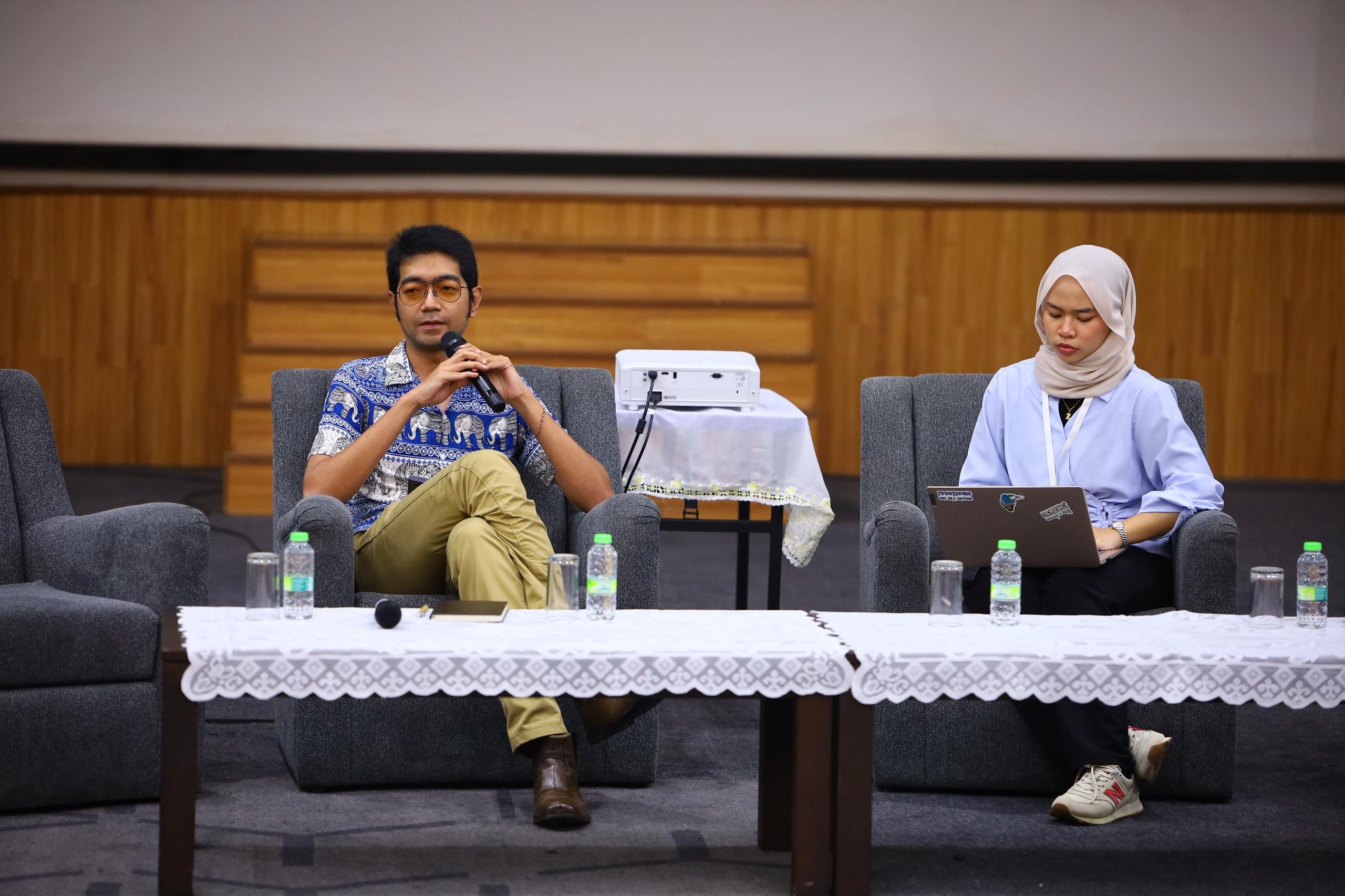
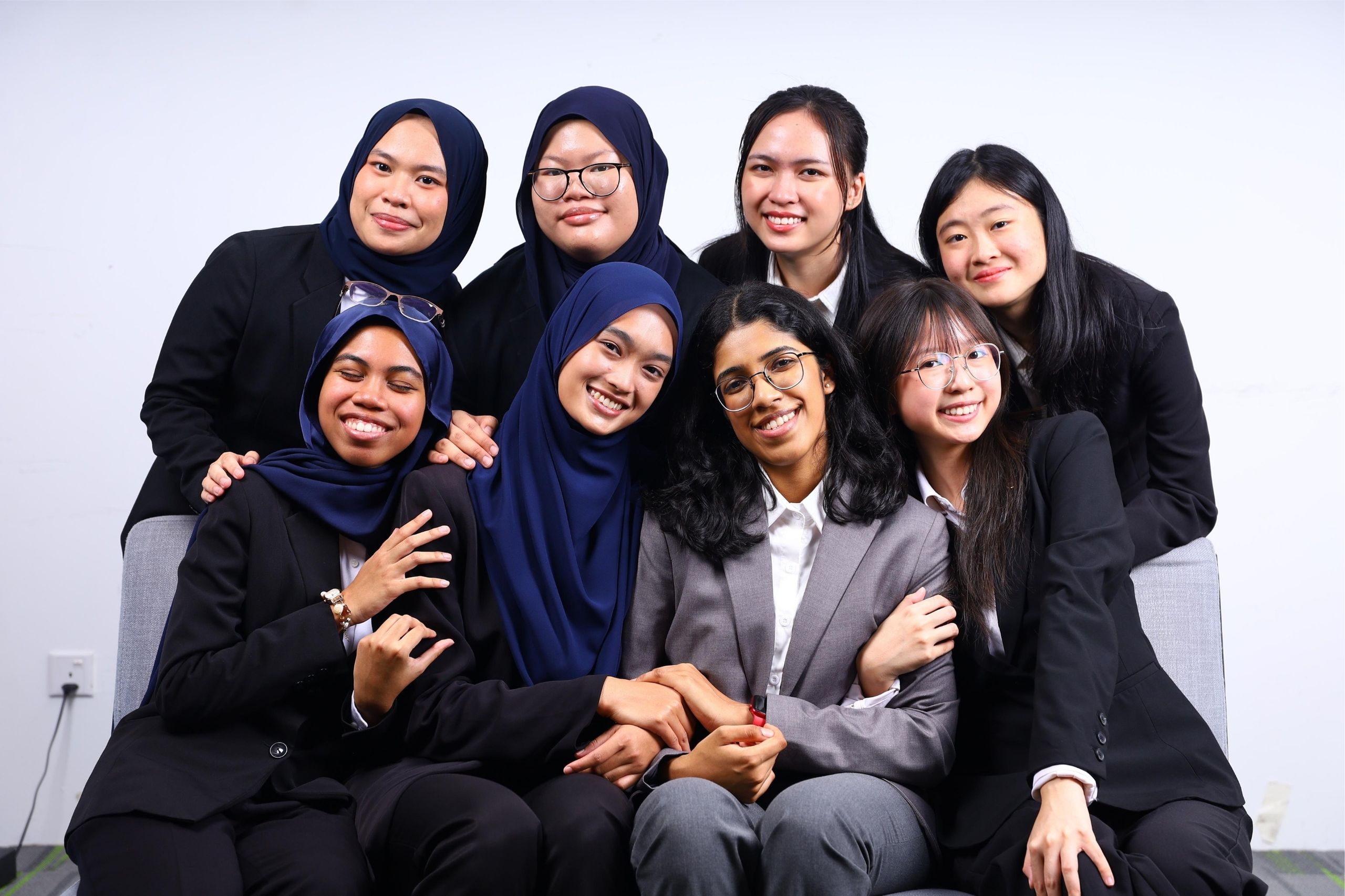
Asked what she misses most about KYUEM, she answers simply: the people. “When you’re in an environment where everybody has somewhat the same mindset as you, the same level of critical thinking depth as you, or maybe even more, you are exposed to a thousand different ways of thinking,” she says.
Her classmates came from Borneo, the northern Peninsula and the city. “All these different circumstances and perspectives bring about very interesting conversations, and it opened up your eyes to how very different we all live our lives.”
Far from home, those friendships become an essential support system. “No matter how different you feel you are,” she says, “you will always find your people in KYUEM.”
Her advice for university applications
Zulaikha pursued a wide range of supercurricular activities, but she couldn’t fit them all into her personal statement, especially under the new three-question format. She chose instead to write about the economics books she had read in the field she cares about most: development economics.
Her choice reflects a question many Malaysians are wrestling with: how does a country move from developing to developed? She built her understanding step by step, starting with an introduction to economics and then an introduction to development economics. The book that shaped her thinking most was The End of Poverty by Jeffrey Sachs, which examines why some countries remain poor and why the cycle of poverty persists despite aid.
Her advice is to choose one area, such as development, market economics or labour markets, and read widely within it. Even a foundational grasp of a single field shows sincere interest. Summits and podcasts can help you find a topic, and there is usually a book that explores it in depth.
She also urges students to look beyond the obvious choices. Freakonomics and Rich Dad Poor Dad aren’t poor picks, but admissions readers know them well. The key is to find a niche within your subject and explore it thoroughly. That shows admissions readers you are truly invested in your field.
So who is economics for? Zulaikha thinks it suits people who are curious about human behaviour: how resources and circumstances shape people’s decisions, lifestyles and relationships. In her view, economics is as much about understanding people as it is about the bigger picture.
Overwhelmed, but still hope
At first, applying for undergraduate scholarships felt “overwhelming.” At post-SPM level, a programme might admit 20 to 30 students per intake. At undergraduate level, some select only one to three candidates from a pool of 300 to 1,000 applicants.
What kept her going was the fresh perspective each interview gave her. One interview was scheduled as a one-hour session for three candidates. It ran 30 minutes over when the panel turned it into a discussion of a pressing national issue. She left realising she wanted to contribute to that conversation, whether or not she won the scholarship.
What the interviews looked like
Some panels were relaxed and others were intense, but the first ten minutes always followed the same pattern: tell us about yourself, why economics, why UCL.
After that, the questions depended on the organisation. Multinationals and conglomerates asked company-specific questions: how you would contribute, which part of the business you hope to join and how your expertise would benefit them. Government-linked companies focused on nation-building, such as how an economics degree could serve Malaysia. Either way, study the organisation’s vision and mission, because panels look for candidates who share their outlook.
The assessments varied too. One organisation set a case study for candidates in the top 10%. It was a lengthy, numbers-heavy business problem, solved under time pressure and presented to an interviewer in groups.
Her advice to students without a business background is not to be intimidated. Panels aren’t looking for the perfect answer. Everyone understands fundamentals like profit and loss, and you can always rely on your group mates. Working through one or two business case studies beforehand also helps.
The redemption round
Zulaikha had already faced interviews at post-SPM level, so she calls her undergraduate applications her “redemption.” This time, she knew exactly how to prepare.
Her first tip is to keep a “cheat sheet” of past experiences, each with its challenges and lessons, so you never draw a blank. A single role can yield many stories. Reflecting on them in advance makes it much easier to respond in the room, even to searching questions like the one she faced: “What experience has shaken you to the core?” It is also perfectly acceptable to ask for a minute or two to think, because interviewers want to understand your thought process.
If she could change one thing, she would take the online numerical and personality tests more seriously. Many applicants are eliminated at this stage, and it can feel unfair to put your whole heart into an application only to fall short there. She suggests finding out which test provider each scholarship uses (it often shows in the test link), then looking for practice questions or sharpening your mental arithmetic.
Her other practical advice:
- Check your email. She had interview clashes and had to keep both the interviewers and her own schedule up to date.
- Don’t put all your eggs in one basket. Scholarships change every season, so cast a wide net.
- Reach out to current scholars. Cohorts are small, so scholars can be hard to find, but LinkedIn helps. You may not hear back, or you may only reach graduates or final-year students. When you do connect, ask about the interview process and the opportunities after graduation.
Zulaikha’s final message
“Don’t reject the idea of applying just because you feel like you won’t get it, because that’s what I felt like most of the time,” she says. “Don’t lose hope just because you did bad on one.”
She came away convinced that your pre-university route does not decide your chances. Whether you take a diploma, A-Levels or a foundation programme, “there will always be a spot for you.” What matters is what you bring and how eager you are to contribute.
Scholarship bodies, she says, look for people who are passionate, willing to learn and committed to giving back, whatever their background or family. So keep the dream alive, hold on to your “why” and remember that the experiences you gain abroad are invaluable.
Eleven applications, six callbacks and four scholarship offers later, Zulaikha shows that the doubt may never fully go away, but neither does the opportunity. Today she sits in lecture halls at UCL, still pursuing the big questions that first drew her to economics.