


Ask most people what an accountant does and the answers are usually predictable. They prepare accounts, audit companies, reconcile balances and make sure the numbers add up.
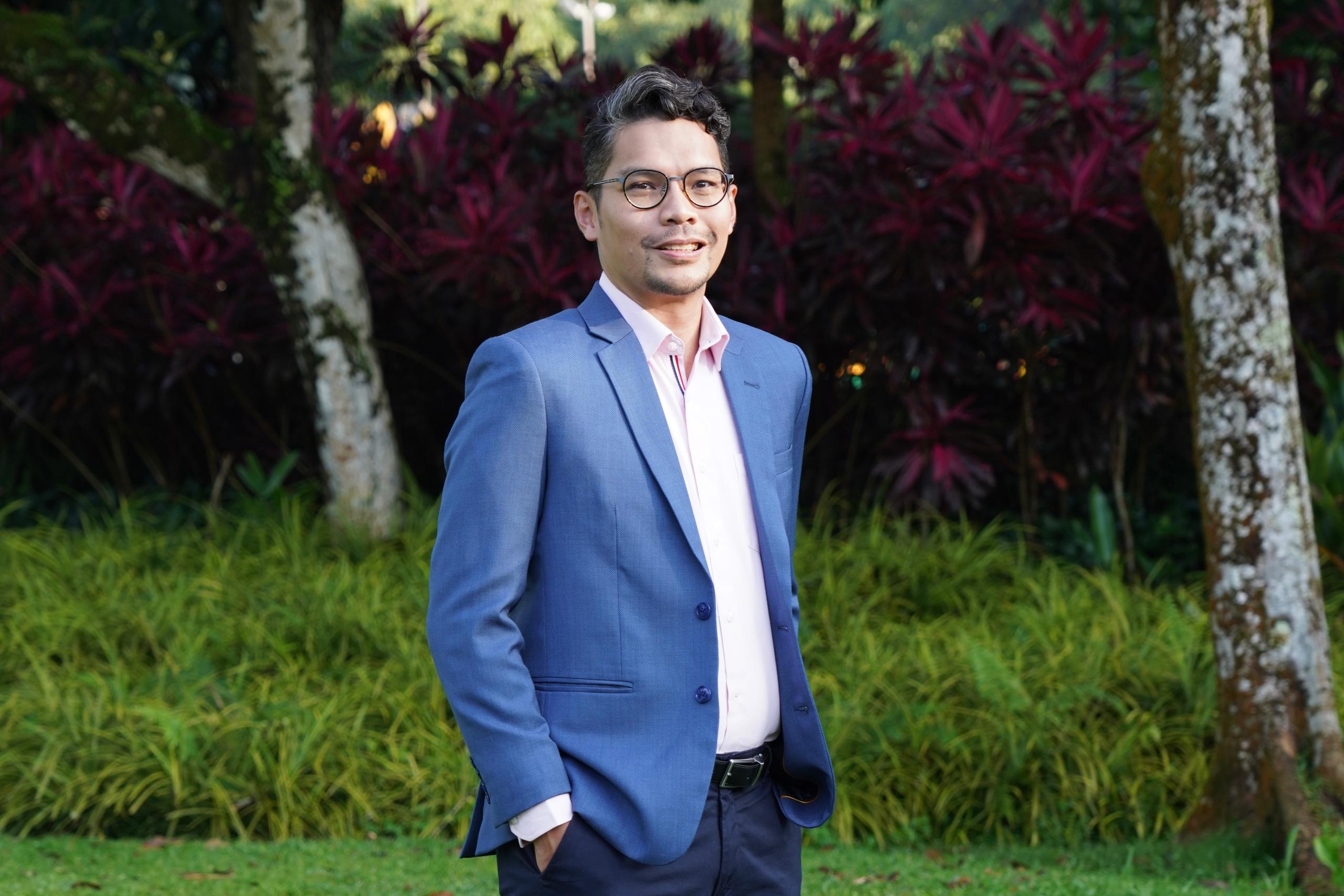
Khairul Falah Zaharin spends a lot of time looking at numbers too. But that’s rarely where his work ends.
Over the past decade, Fallah, who is an ACCA qualified accountant has worked across oil and gas, property development, hospitality and infrastructure. Today, he is based in Oman with Malakoff, overseeing the financial performance of one of the company’s overseas operations.
Listening to him describe his work, however, reveals something unexpected. The spreadsheets merely point him towards the problem. The real work is figuring out why it exists, and convincing people to solve it.
It is perhaps no coincidence that management accounting has produced many CEOs around the world.
Understanding people before improving businesses
One story from Falah’s time at Sapura Energy captures this well.
A review of the numbers showed that one business unit was consistently underperforming while two others were comfortably profitable. From a finance perspective, the answer seemed straightforward.
Reduce costs.
When Falah met the CEO responsible for the business, he discovered the situation wasn’t nearly as simple.
The CEO wasn’t trying to maximise profits. He was more interested in protecting the people who had helped him build the company over many years. Running a slightly less profitable business was a price he was willing to pay if it meant preserving jobs.
That changed the conversation completely.
Instead of recommending broad cost reductions, Falah worked with the CEO to identify where productivity could be improved without disrupting teams that were already performing well. The financial analysis identified where attention was needed. Understanding the person behind the business determined how the problem should be approached.
“The person running the business knows the business better than we do,” he said. “Our role is to understand the numbers, identify opportunities and help them make better decisions.”
Looking beyond the spreadsheet
The same way of thinking surfaced again during his time at UEM Sunrise.
Hyatt House was approaching completion, but disagreements over finishing standards kept delaying the opening. Every additional week meant salaries, utilities and operating expenses continued to accumulate, even though the hotel had yet to welcome its first paying guest.
Falah suggested opening part of the hotel first while work continued on the remaining floors.
Revenue could begin flowing immediately, operations could start finding their rhythm and improvements could continue without leaving the entire property idle.
“Sometimes people wait for everything to be perfect,” he said. “But you also have to look at the business perspective.”
The decision wasn’t driven by accounting. It came from weighing commercial realities against operational ambitions and finding a practical balance between the two.
Asking a different question

Procurement presented another lesson.
Developers often complained that contractors charged too much. Contractors insisted their margins were already thin. Rather than debating who was right, Falah examined why costs had reached that level in the first place.
He found that some contractors priced in financing costs because developers were slow to pay. Others built idle periods into their quotations because projects arrived sporadically.
That shifted the discussion.
Instead of asking contractors to reduce prices, could payment terms be shortened? Could projects be packaged together so contractors had a steadier pipeline of work?
The objective wasn’t simply to negotiate harder. It was to redesign the system so both sides benefited.
“Management accounting isn’t about asking people to cut costs,” Falah said. “It’s about understanding why the costs are there in the first place.”
Creating value
Falah believes management accountants often make their biggest contributions outside the finance department.
He recalled discussions surrounding Radia, UEM Sunrise’s integrated development in Bukit Jelutong. Like many property projects, attention naturally turned to pricing and discounts.
The conversation gradually evolved into something else.
How do you create a place people genuinely want to spend time in?
Among the ideas was introducing a quality football facility that would bring activity into the township and encourage more people to experience the development for themselves.
That, Falah argues, is another form of value creation.
People rarely buy homes because a developer offered another discount. They buy because they can imagine themselves living there.
A broader view of leadership
Falah is equally sceptical of cost-cutting exercises that look good on paper but achieve very little in practice.
Removing small staff benefits may save a few ringgit, but it can also damage morale without meaningfully improving the business.
“I’m not a fan of cutting meaningful touchpoints,” he said. “If we’re going to improve profitability, let’s improve the things that actually matter.”
Across every story he shared, a common pattern emerged.
The numbers highlighted where attention was needed. The solutions came from understanding people, operations and incentives. Sometimes they involved changing processes. Sometimes they required persuading stakeholders to see a problem differently. Sometimes they meant challenging assumptions that everyone else had accepted.
Those responsibilities extend well beyond finance.
Perhaps that explains why management accountants are frequently found in senior leadership roles. They spend their careers learning how organisations work, how decisions are made and how businesses create value.
In Falah’s case, the spreadsheets have never been the destination. They’ve simply been the starting point.
Asked what advice he would leave for today’s students, Falah kept it simple. Find something you genuinely enjoy, understand where your strengths lie and commit yourself to becoming really good at it. Along the way, develop the habit of looking for solutions rather than dwelling on problems.
“People remember those who make things better,” he said. “If you stay committed to what you do and become someone others can rely on to solve problems, opportunities will naturally follow.”