



Say “architect” and most people picture blueprints and buildings.
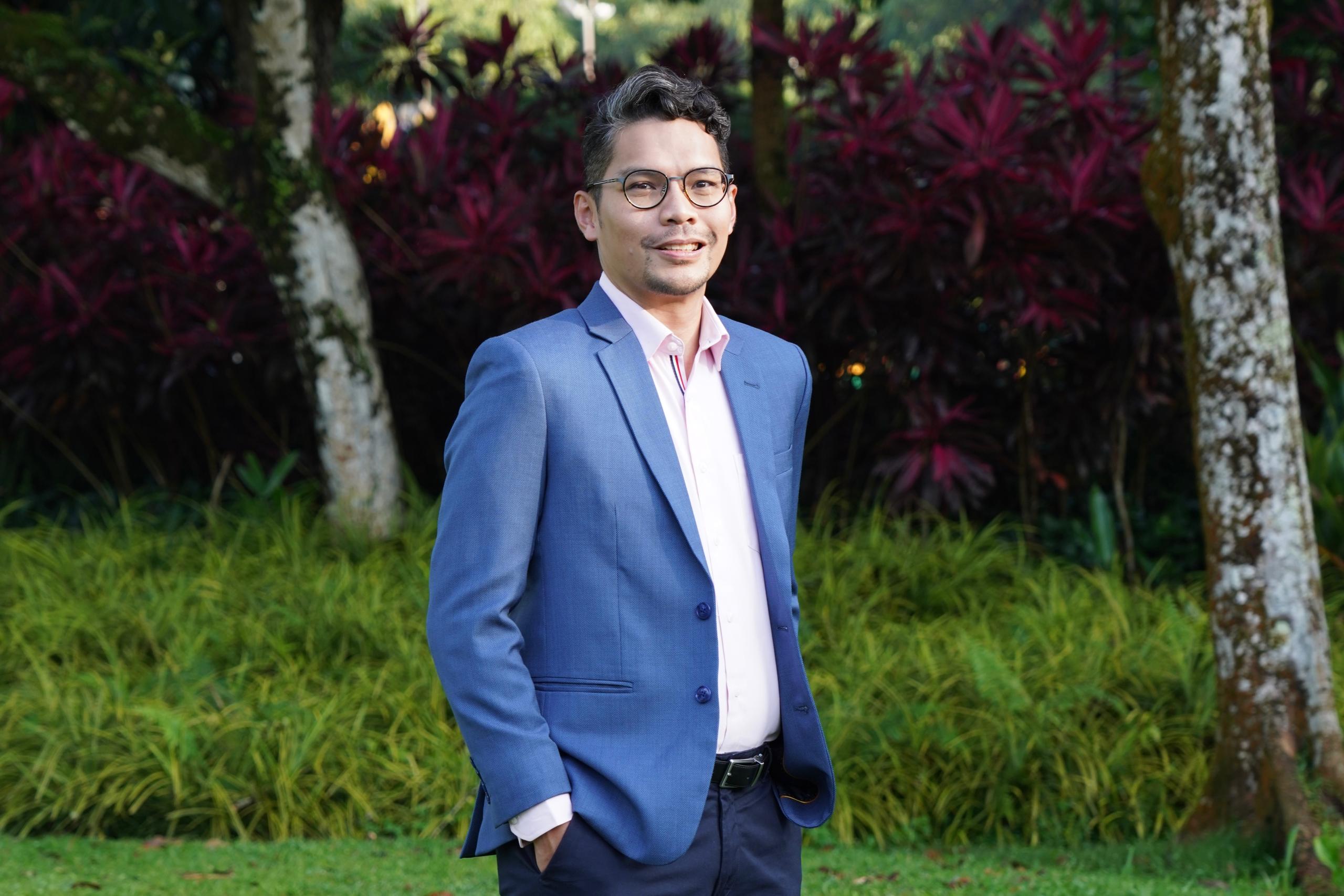
Ahmad Hafizuddin designs too, but not homes. He shapes the cloud computing strategies behind banks and GLCs, helping them streamline decisions, mitigate risk and deliver results faster.
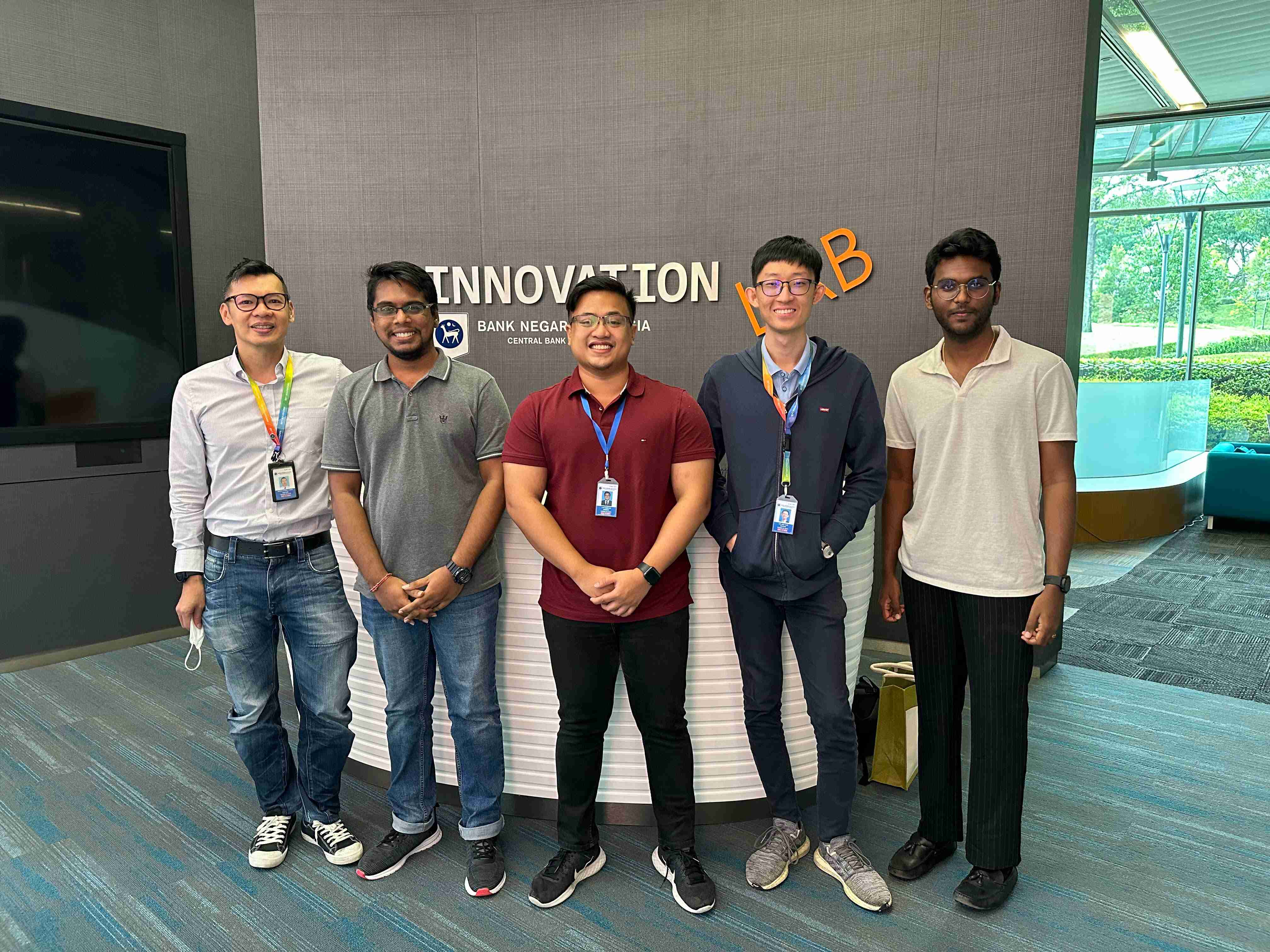
Now two months into his role as a cloud solution architect at Microsoft, the KYUEM alumnus and former Yayasan Khazanah scholar has arrived by a winding route: electrical engineering at UCLA, a stint as a digital graduate analyst in risk management at Bank Negara Malaysia, and a master’s in business analytics at Imperial College London. Looking back, he says, every step was connected.
Designing the house, not building it
To understand his work, Ahmad Hafizuddin says, begin with the distinction between architecture and engineering.
“Architecture is the big picture, the vision of how all the pieces come together. Engineering is the craft of building it,” he explains. “The architect designs the house and decides how every room connects, while the engineers work out how to make it stand. My job is to draw that blueprint, then work hand in hand with the team that brings it to life.”
At Microsoft, that means designing systems that meet a client’s immediate requirements while serving its long-term ambitions. Increasingly, those systems are built around AI. Ahmad helps organisations bring tools such as Microsoft Copilot into their daily work, but he is quick to point out that deploying the technology is only half the job. “A tool nobody uses delivers nothing,” he says. “Success is measured by adoption and by business outcomes: time saved, better decisions, and work that wasn’t possible before.”
Before a single design takes shape, the architect needs clarity on budgets, timelines, compliance obligations, performance expectations and growth plans. For a bank, that includes Bank Negara’s regulations and international standards such as Basel. From there, he produces design specifications and diagrams, documents key decisions and their trade-offs, and tests riskier ideas before anything is built.
“You don’t want to build something that gets used once and then forgotten,” he says. “It has to scale across the whole organisation.” A well-designed system must not only solve today’s challenges but endure as the organisation evolves. A solution built for a single team should be able to serve thousands of employees, handle ever-growing volumes of data and adapt to new demands without being rebuilt from the ground up.
That is also why he places so much weight on AI literacy. When anyone can learn almost anything with an AI assistant at their side, the advantage no longer comes from access to information. It comes from knowing how to use these tools well: what to ask, how to judge the answers, and where human judgment still matters. “The technology is available to everyone,” he says. “What sets people and organisations apart is whether they understand it well enough to use it with purpose.”
Connecting the dots backwards
Ahmad Hafizuddin never set out to become a solution architect. As a fledgling analyst at Bank Negara, he was presented with a mountain of data and tasked with building a dashboard.
“I knew nothing about Power BI. I just had to pick it up,” he recalls. “That’s the essence of solution architecture. You have a problem, you find a way to solve it.”
The tool itself was incidental. What truly mattered was the ability to identify what the business required, mastering whatever was necessary and delivering something of genuine value. It is the very approach he applies today, now on behalf of some of the nation’s foremost organisations.
He sees it as a reminder of a line from Steve Jobs: you can’t connect the dots looking forward; you can only connect them looking backwards.

Big fish, bigger ocean
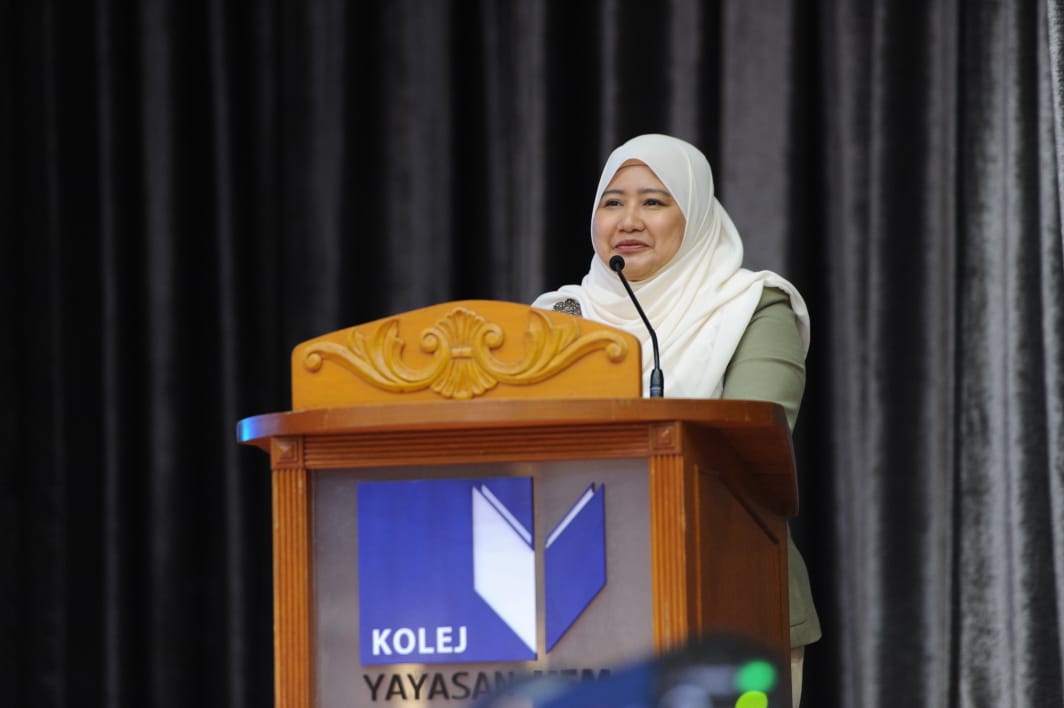
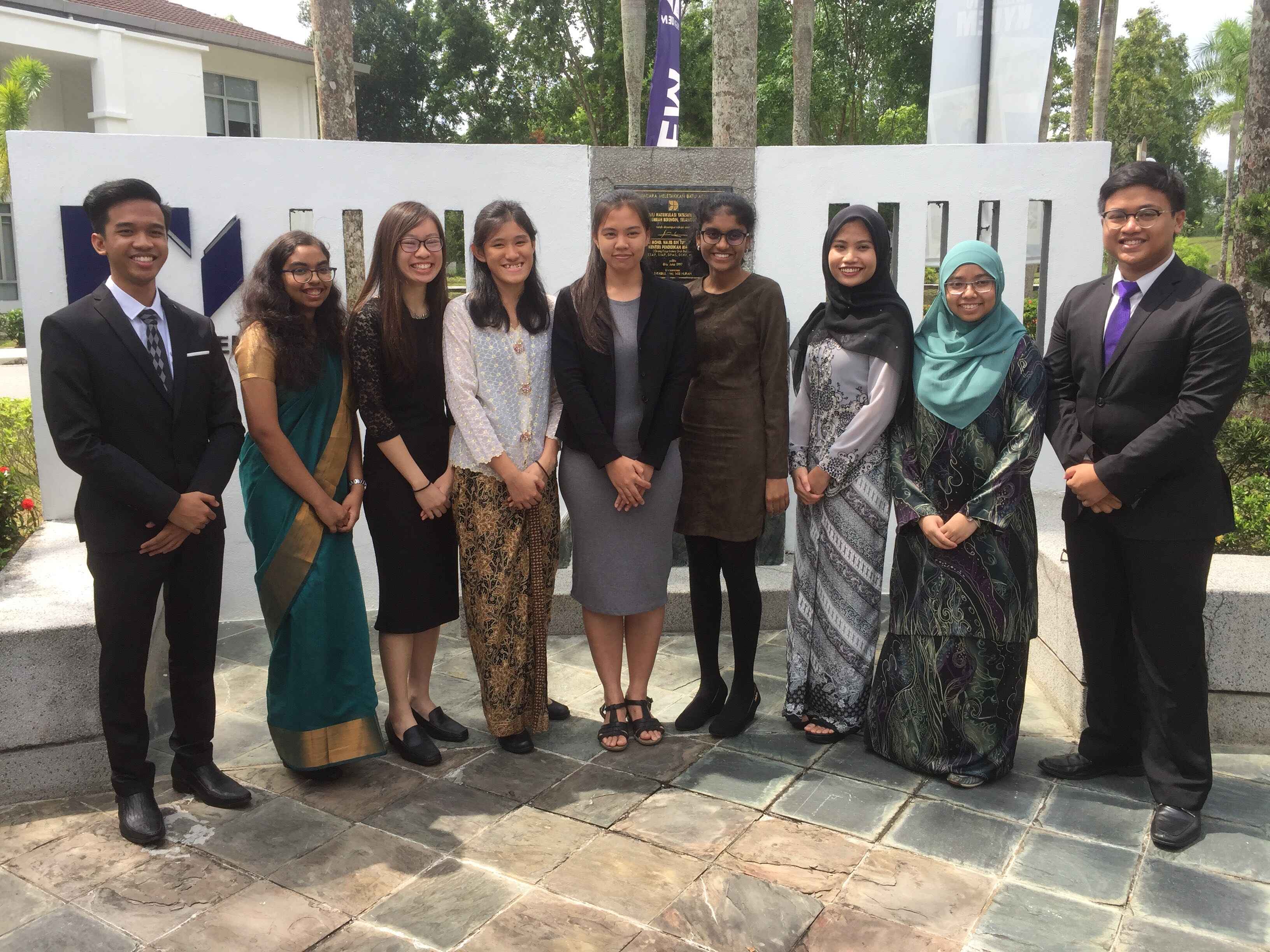
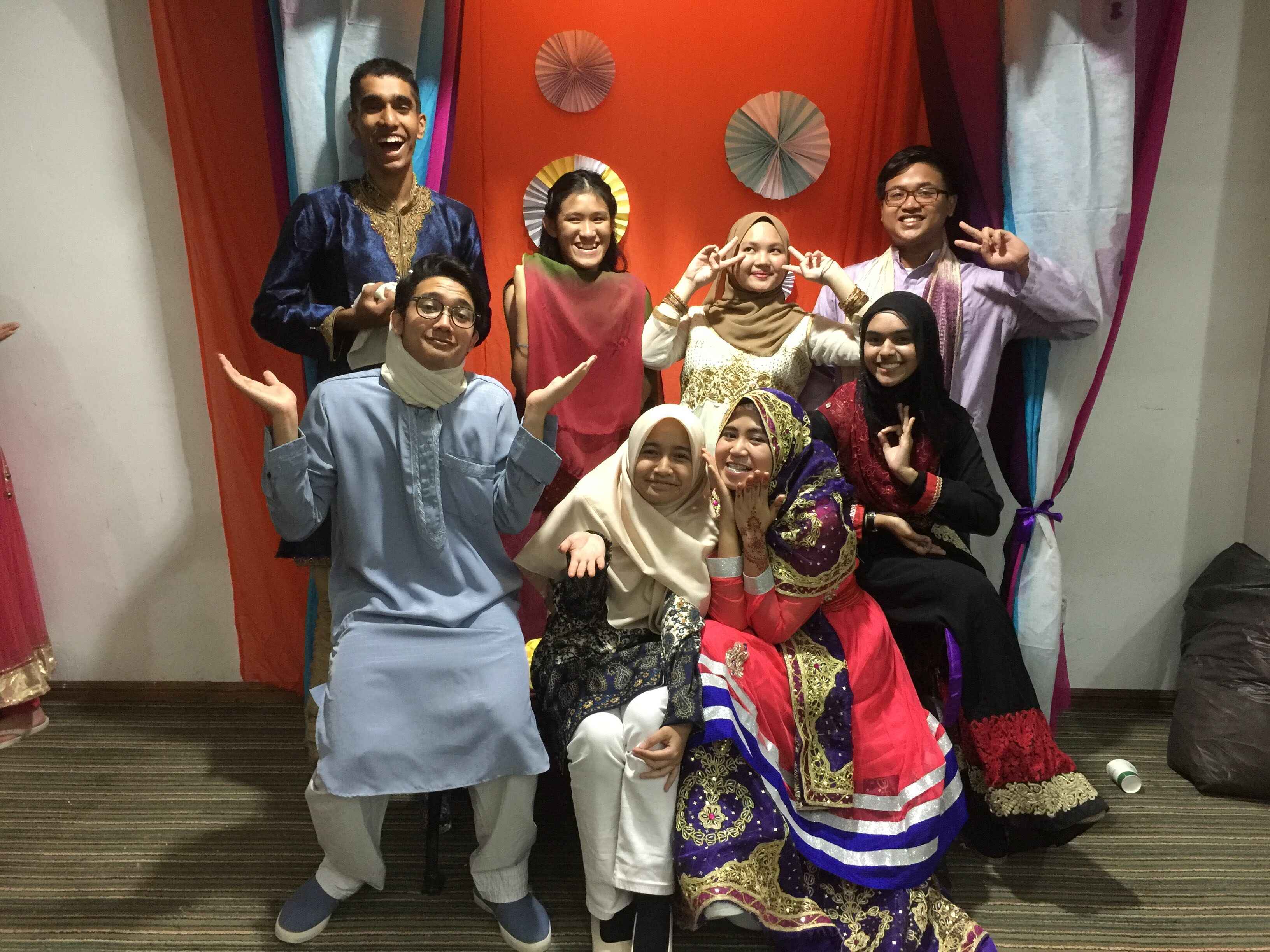
Ahmad Hafizuddin attended a day school until Form 4, then moved to Sekolah Menengah Sains Alam Shah (ASiS), a fully residential school (SBP), before joining KYUEM’s 1.5-year fast-track A-Level programme.
“You were the biggest fish in your pond, but now you’re in the ocean,” he says of finding himself among some of Malaysia’s brightest students.
His cohort was small, about 60 students, but remarkably diverse: lifelong boarders, day-school and private-school students, some with pastimes he had never heard of. Learning to connect across those differences, he says, is a skill he still draws on every day.
He is equally clear that no one gets there by chance. If roughly 150 of some 10,000 SBP students make it to KYUEM, that is about 1.5%. “You worked hard, and you should be proud of where you are.”
That conviction has carried him through moments of self-doubt. “If I’d let the feeling that I don’t belong stop me, I’d never have applied to Microsoft or Amazon. It’s an irrational fear.” He weathered plenty of rejection before securing his current role, but refuses to dwell on it. “Never feel bad about not getting something, as long as you’ve given it your best.”
Making the most of UCLA
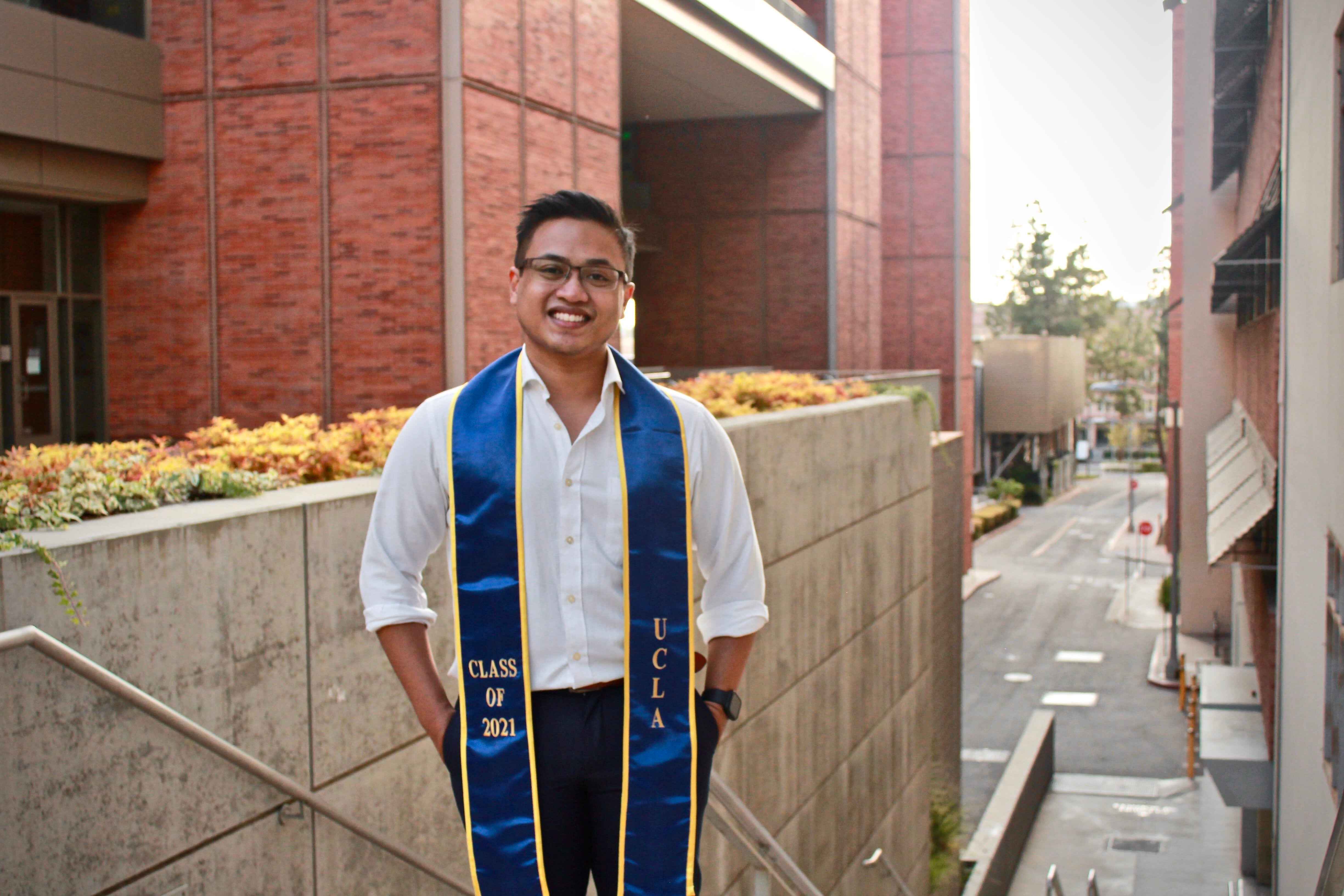
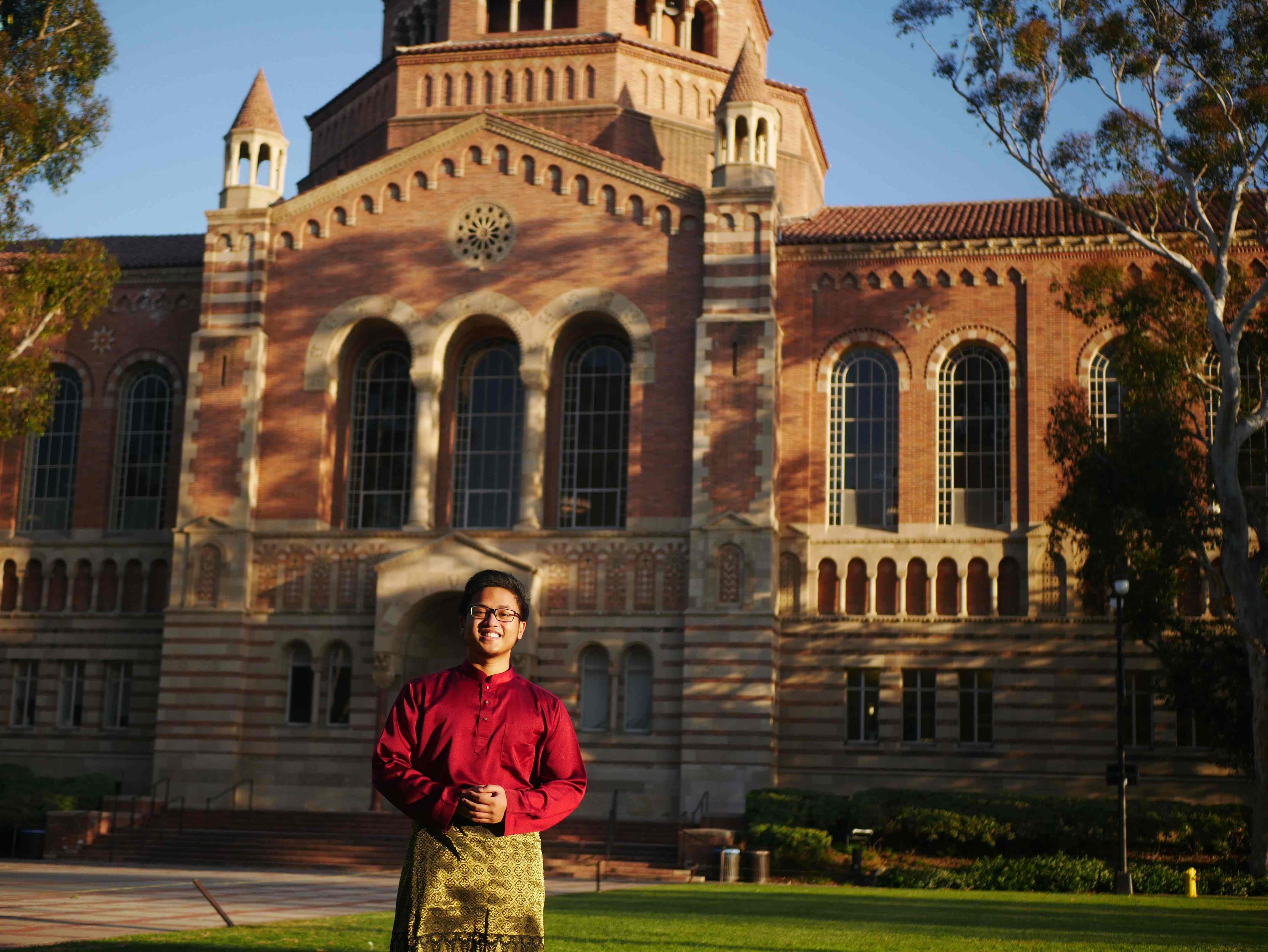
At UCLA, Ahmad Hafizuddin soon discovered that a large public university rewards those who seize the initiative.
His first piece of advice is to do your research before you arrive, particularly on the university’s clubs and societies. “There’s an illusion of choice. When there are too many options, you get decision fatigue and end up doing nothing,” he says. “Do your groundwork, so you walk in knowing what you want.”
His second is to put yourself out there. In his third year, his active participation in a photonics class caught the attention of his professor, an MIT graduate, who offered him a research position. “You’re talking to someone with 25 years in the industry. Learn everything you can from them.” Many lecturers possess distinguished backgrounds and decades of real-world expertise, so draw on that wealth of knowledge. Pose questions, linger after class and make full use of office hours. A single conversation could unlock opportunities you never imagined.
Given through you, not to you
Ahmad Hafizuddin views his opportunity to study abroad as a Yayasan Khazanah scholar as a profound responsibility, and one he is resolved to honour. He often reflects on the words of a Yayasan Khazanah mentor, who reminded him that the scholarship is “given through you, not to you.” The nation invests in its scholars so that they may return and enrich the country with the knowledge they have gained.
“Once you enter the working world, you realise Khazanah was investing in all the right places,” he says. “It’s up to you to make full use of it.” He also urges scholars to remain actively engaged with the Yayasan Khazanah alumni network long after graduation, noting that many former scholars have forged distinguished careers across diverse industries and offer a wealth of insight to those who follow in their footsteps.
When one door closes, ask what else you can do
In 2024, Imperial College London offered Ahmad Hafizuddin a place along with its Imperial Excellence Scholarship, but the award covered only a fraction of his costs. With every other option exhausted, he requested to defer his admission, fully expecting to be turned down.
“If you don’t ask, you don’t know,” he says. The deferral was approved.
It proved to be a blessing in disguise. Within that year, he got married and earned a promotion. “It felt like Allah was showing me that even though I didn’t get what I wanted, I was given so much more,” he reflects.
In 2025, just days before applications closed, he came across a PNB scholarship with only three places. He applied regardless, persevered through a gruelling assessment and secured an interview. Drawing on his professional experience, he articulated how a business analytics degree would sharpen his problem-solving, and he won the scholarship.
“Some people can open the doors for you, but ultimately, it’s up to you to find them,” he says. “When a door doesn’t open, don’t think it’s closed. Ask, ‘What else can I do?’”


Today, the dots are easy to connect: a boy who found his footing at KYUEM, a deferral that paved the way for a full scholarship, and now a seat at Microsoft. None of it was planned. All of it was earned.
For students still charting their own path, his message is clear: stay curious, keep knocking, and never let a closed door convince you that you don’t belong. Give everything your best, learn from every setback and seize every opportunity that comes your way. The road may not always make sense in the moment, but one day, looking back, every turn, every rejection and every leap of faith will fall into place.