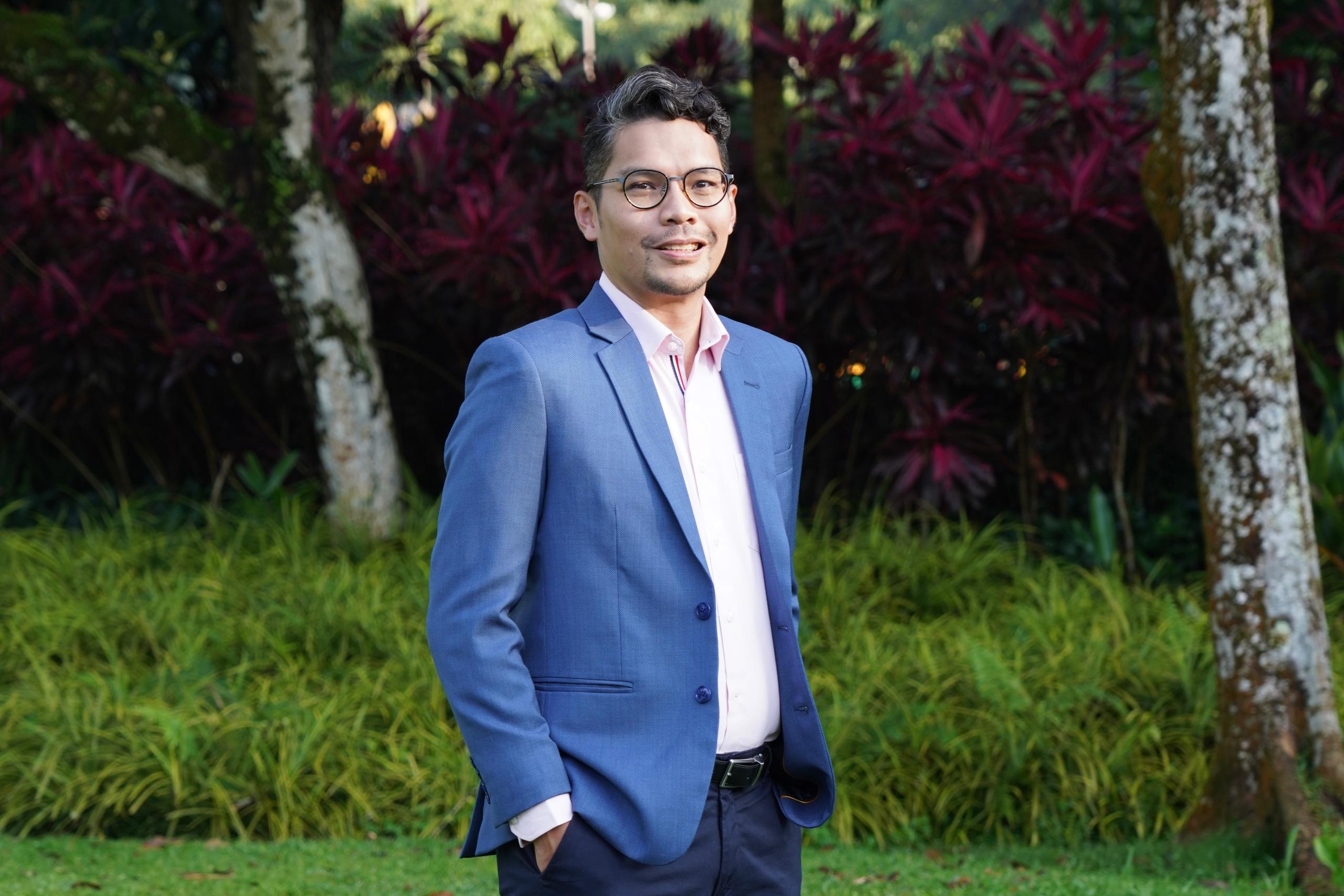


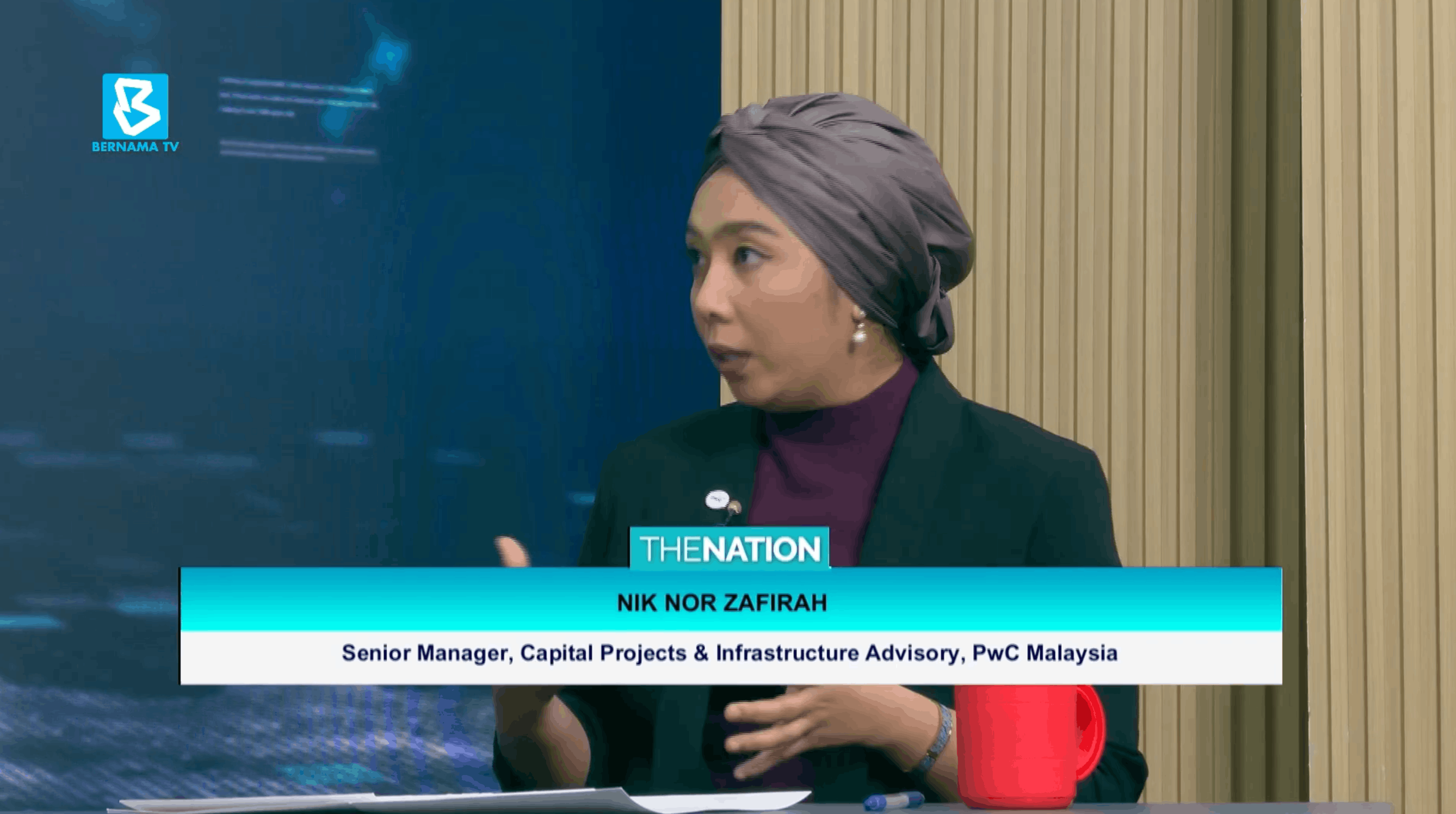

For Nik Nur Zafirah, Malaysia’s ambition to become an AI nation is as much an energy challenge as it is a technological one.
The former Yayasan Khazanah scholar, who is now a senior manager in PwC Malaysia’s capital projects and infrastructure advisory practice, said AI infrastructure would require electricity on a scale and at a level of reliability that Malaysia’s power system was not originally designed to provide.
“An AI nation ambition, underneath the surface, is really a physical infrastructure story,” she said during a discussion on Bernama TV’s The Nation.
“The clusters of data centre campuses being developed by hyperscalers are sized from hundreds of megawatts to multiple gigawatts. What is different about them compared with ordinary industrial demand is the reliability bar.”
Zafirah who is also a KYUEM alumnus said these facilities typically required 99.99% uptime, making a dependable supply of round-the-clock electricity essential.
“What that really means is continuous baseload power. We built our grid for a Malaysia that was not used to this kind of always-on digital demand.”
Government projections illustrate the scale of the challenge. Electricity consumption by data centres is expected to rise from 10,544 gigawatt-hours, or 7% of national demand, in 2026 to 73,274GWh, or 31%, by 2035.
Peak demand in Peninsular Malaysia is projected to increase from 21.3GW in 2026 to 33.5GW by 2035, growing at a compound annual rate of 5.1%. TNB has committed RM43 billion between 2025 and 2027 to strengthen the national grid.
“That is precisely the kind of investment required for the energy system to support Malaysia’s ambition of becoming a genuine AI nation,” Zafirah said.
Why renewables may not be enough
Malaysia’s National Energy Transition Roadmap envisages total installed generation capacity rising from about 39GW in 2023 to 97GW by 2050. Renewable energy is supposed to account for 70% of that capacity, with solar doing much of the heavy lifting.
Zafirah cautioned, however, that installed capacity was not the same as electricity that could be supplied continuously.
“Solar panels only produce electricity when the sun is shining. In a heavily solar-based system, they will produce only a fraction of their rated capacity, as opposed to nuclear power, which can produce close to its full capacity around the clock.”
On the demand side, Malaysia consumed about 194 terawatt-hours of electricity in 2022. Zafirah said this could triple by 2050 once the expansion of data centres, electric vehicles and the wider electrification of industries was taken into account.
“When you put those two sides together — the increase in demand from data centres and electrification against the actual usable supply — you get a meaningful gap by 2050.
“The gap we are looking at is close to 30GW that has not yet been accounted for. The question is what realistic source of energy can fill it.”
Malaysia has limited wind resources, while the country is gradually moving away from coal. Domestic oil and gas production is also depleting, increasing the possibility of greater reliance on imported fuel.
“Realistically, the one tool in the toolbox that can help fill that gap is nuclear energy,” Zafirah said.
“It is not instead of renewables. Nuclear would serve as the steady backbone that allows solar and other sources of energy to support data centres reliably.”
Building an entirely new industry
Malaysia has explored nuclear power before. A steering committee was established in 2008, followed by the creation of the Malaysia Nuclear Power Corporation in 2011. The programme was discontinued in 2018.
The Cabinet and National Energy Council revived the proposal in November 2024 by approving the inclusion of nuclear energy in the 13th Malaysia Plan. MyPOWER Corporation has since been designated as Malaysia’s Nuclear Energy Programme Implementing Organisation.
Zafirah said Malaysia was currently in the International Atomic Energy Agency’s pre-decision phase. This involves assessing 19 infrastructure areas, including regulation, safety, security, financing, waste management, human capital and possible locations.
“What it means to proceed is not simply making a press statement. It requires the Cabinet to make a documented policy commitment after the feasibility studies have been completed,” she said.
That commitment would open the next phase, involving the selection of a developer, operator, technology and vendor. Financing would be another major consideration, especially if Malaysia eventually required several gigawatts of nuclear capacity.
“A fully state-funded model would be difficult because the cost would run into tens of billions of dollars. Putting that entirely on the federal balance sheet alongside other development priorities would be unrealistic.
“But a purely private-sector model is also unlikely because private capital will not move first on a technology where Malaysia has no domestic operating track record.”
Zafirah said the most realistic structure could be a hybrid model, with the government acting as an anchor shareholder or guarantor. This could be combined with long-term electricity purchase arrangements, private investment and export financing from the country supplying the technology.
Powering companies and nations
Appearing alongside Zafirah was FMT managing director Azeem Abu Bakar, a fellow KYUEM alumnus. Their discussion brought two former students of the college together to examine a question that could shape Malaysia’s economy for generations.
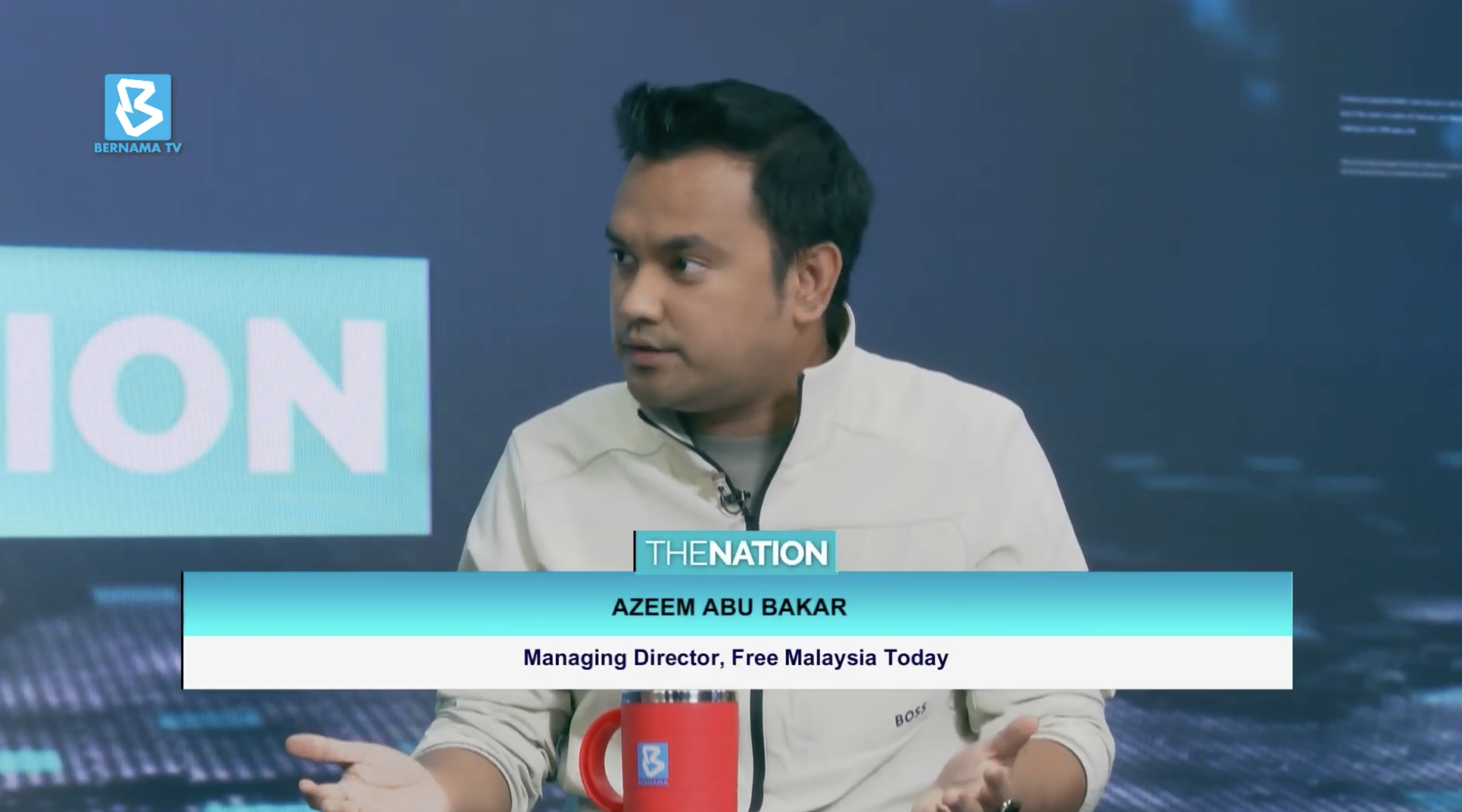
Azeem said the future of AI would involve “AI brains” that absorb an organisation’s information, turn it into institutional knowledge and deploy agents to automate work.
“These AI brains are going to power companies and, one day, even nations. That would be AI on steroids,” he said.
“Companies and countries adopting AI are becoming more productive. If we do not keep up and adapt, we will be left behind. We have no choice but to become an AI nation.”
Zafirah said reliable low-carbon electricity would also help Malaysian industries such as steel, cement and petrochemicals remain competitive as international markets introduced carbon-related measures.
“Hyperscalers deciding where to locate the next generation of data centres are explicitly screening for firm and clean power,” she said.
“A country that can demonstrate it has solved the baseload power question becomes a much more credible AI infrastructure destination.”
FULL RECORDING HERE.